Vermicomposting

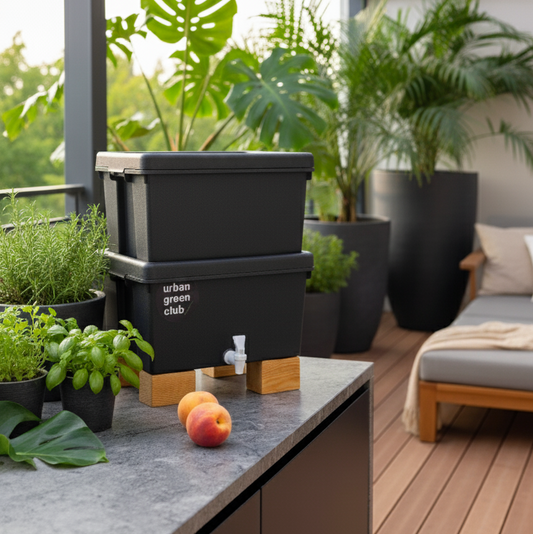
Harness the power of earthworms to transform food scraps into organic compost, ideal for fertilizing your urban garden. No bad smells, no hassle, and no need for chemical inputs that don't improve the microbiology of your soil.

1 of 4

Frequently asked questions

What is vermicomposting and how does it work?

Vermicomposting is a process of transforming household organic waste into a high-quality fertilizer called humus. It differs from traditional composting in that it uses the help of earthworms (especially the red wiggler), which digest organic matter and convert it into a nutrient-rich substrate much more quickly and efficiently.

Can I vermicompost in an apartment or small space?

Yes, it is ideal for urban environments. Unlike garden composting, a worm bin is compact and designed to work indoors, on balconies, or in kitchens. Since it is an aerobic and controlled process, it does not take up much space and allows you to manage your organic waste without needing a large plot of land.

Does the vermicomposting process generate bad odors?

No. If the process is carried out correctly, vermicomposting gives off a pleasant smell of damp earth or forest. Bad odors only appear if there is excess moisture or a lack of oxygenation. By following our maintenance guides and balancing green scraps (nitrogen) with dry materials (carbon), your worm bin will be completely odorless.

What type of worms are best for my vermicomposter?

The recommended species par excellence is the Red Wiggler (Eisenia foetida). They are extremely voracious, reproduce rapidly in captivity, and can process an amount of waste equivalent to their own body weight daily, which makes them much more efficient than common earthworms.

What organic waste can I put in the worm compost bin?

You can add fruit and vegetable scraps, coffee grounds, crushed eggshells, and small amounts of cardboard or unprinted paper. You should avoid excess citrus, meat scraps, dairy, fats, and very spicy or salty foods, as they could alter the pH of the environment and harm the worms.

How long does it take to produce worm castings?

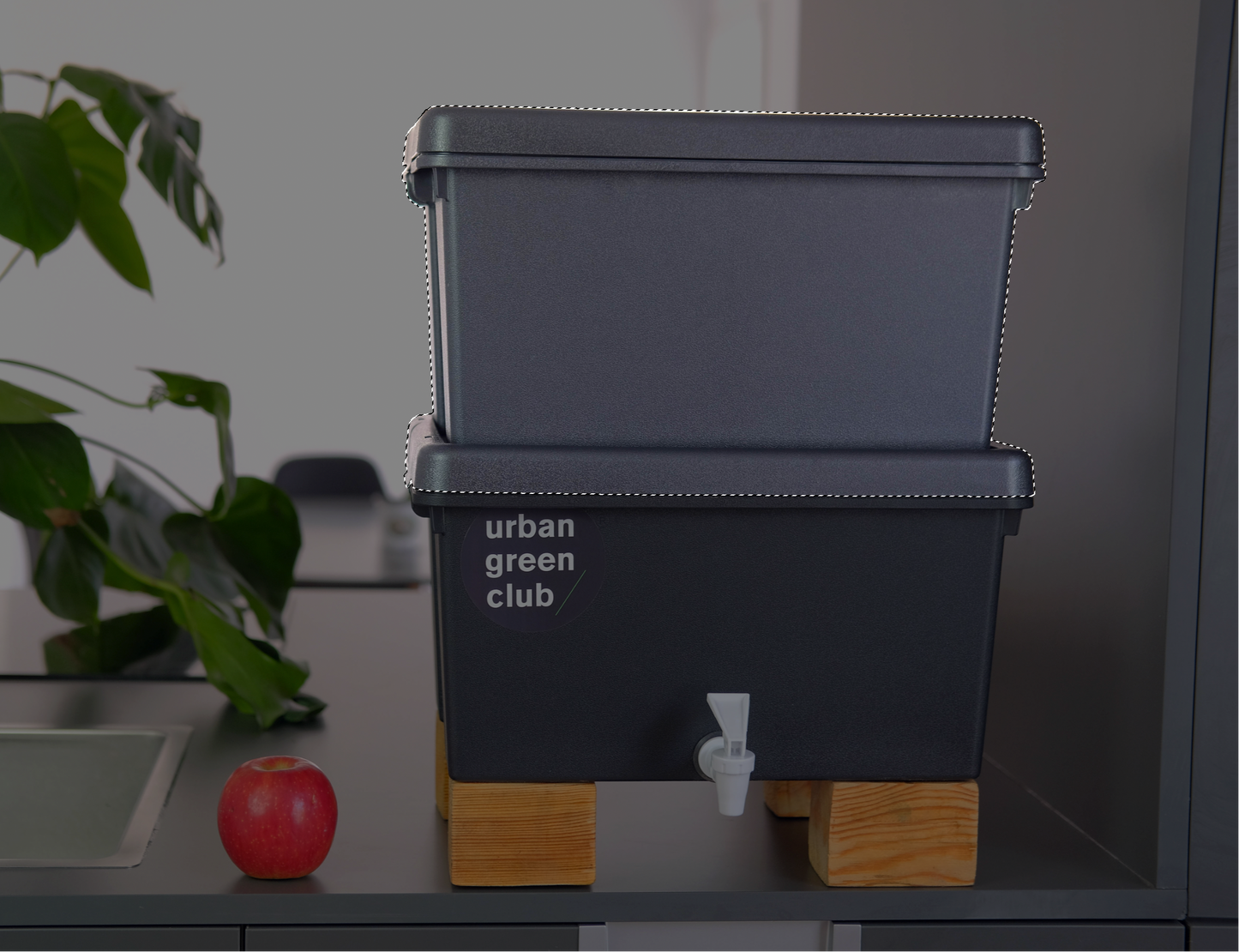
The time depends on the number of worms and the amount of waste, but generally you can start harvesting solid humus and leachate (liquid fertilizer) in a period of 2 to 4 months. It is a continuous cycle: as the worms move up to the top trays in search of new food, they leave the humus ready for use in the bottom trays.

What are the benefits of worm castings for my plants?

Worm castings are considered one of the best organic fertilizers in the world. They provide a beneficial microbial load that regenerates the soil, improves water retention, and supplies slow-release nutrients that strengthen roots and protect plants against pests and diseases naturally.