

Your urban garden on the terrace: What should we plant?
Sergey Savin During the summer, your urban garden harvest will be more bountiful than during the freezing months of December, January, or February. You'll be able to enjoy salads and tomatoes, revolutionizing the variety of organic produce in your refrigerator.
From the end of July, throughout August and the beginning of September, some of the most sought-after and flavorful produce is harvested from the gardens. This feast of fresh flavors is not only a privilege for those who live or reside near the countryside , but also for those who have decided to create a garden on their terrace, patio, or even in their living room—a trend that is gaining increasing popularity.
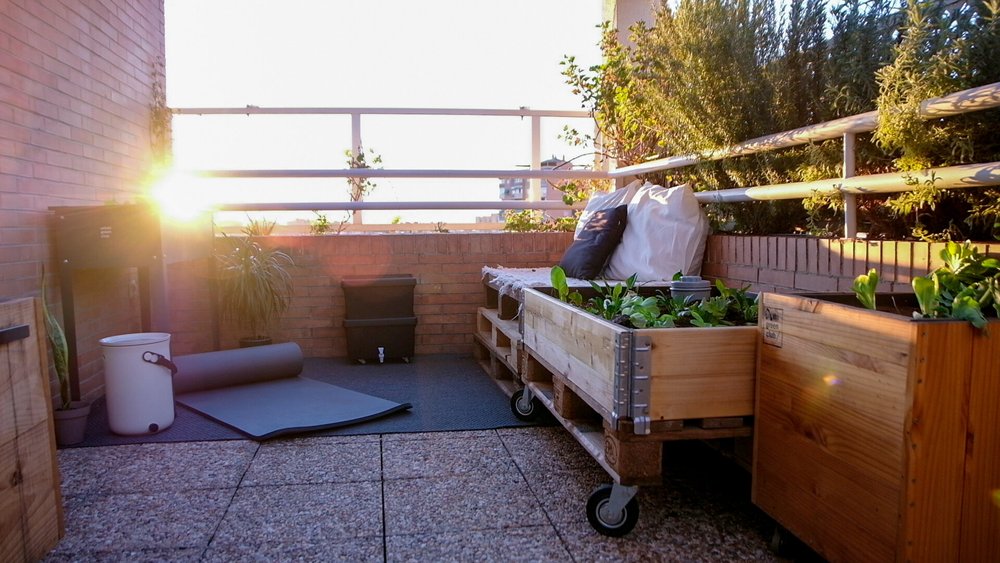
IS MY TERRACE SMALL?
Don't worry, you don't absolutely need a large terrace to have a home garden, but you will need some sunlight. The best orientation is south or southwest (if possible). If your space faces north, it doesn't mean you can't grow anything, but certain fruiting vegetables, such as tomatoes or peppers, which are so popular in summer, won't develop properly. However, you can plant leafy greens like lettuce, arugula, and aromatic herbs such as parsley, basil, or cilantro.
Another important issue for our terrace is ventilation, where we advise maintaining an airy space with open windows, for those who have access to enclosed terraces or a similar space.
WHAT DO WE PLANT IN OUR URBAN GARDEN?
If you've ever wondered how to create your own urban garden on your terrace, you'll need to decide what to plant. To begin, you'll have to choose which types of produce to prioritize: tomatoes, radishes, garlic, strawberries… and from there, determine the orientation of your raised bed or plot , and consequently, the amount of sunlight it receives, which will be an important factor for the proper development of your crops. Below, we offer some advice on what to plant when starting your urban garden .
TOMATOES
Summer brings some of the most popular crops, including beloved tomatoes , which are, after all, a fruit! Summers are no summer without tomatoes, a staple of our Mediterranean diet, perfect for making salmorejo, salads, or simply enjoying on their own. Sowing begins in spring, especially in May, and it's crucial not to transplant seedlings outdoors until after the last frost (0°C). Harvesting takes place during July, August, and September. The optimal growing temperature ranges from 20-35°C. It's the perfect fruit to start growing this season!
Once they've grown, you'll probably need to support them with a stake or some other rigid support to keep them upright and ensure they bear fruit properly. If you have an open terrace or raised beds, it's a good idea to choose a bush tomato variety that doesn't grow too tall so it's protected from the wind.

LETTUCE
Lettuce is another staple, and what better way to enjoy it than with our tomatoes? Summer lettuce is sown about eight weeks before harvest, so if you want to savor this delicious vegetable on hot summer days, start sowing in May. It's advisable to space out the sowing and continue planting every week or two so you don't have the entire harvest at once.
There are many varieties and they have the advantage of being able to be grown all year round , and their care does not require specialist hands; watering them twice a week is usually enough, and a little more during the summer.
PEPPERS
As a staple of the Mediterranean diet, peppers are a summer crop, so they require heat and sun, just like tomatoes. They are perfect to start planting in spring, when temperatures begin to rise above 15°C (59°F) and, in any case, after the last frost, just like tomatoes. Peppers are a great choice to start growing in your urban garden , since once planted, their only maintenance is controlling their watering to keep the soil moist and avoiding exposing them to excessive sunlight.
ONIONS
We can grow them year-round, although the best months are January, February, and March, and harvesting can begin in April. Onions can withstand temperatures as low as 0ºC. The first watering should be generous, and then they should be kept regularly moist. We recommend planting the seeds about 4-5 cm deep, or starting them directly from seedlings at the nursery. Once sown, they take between 2-3 months to mature, so you'll need patience.

Now you know what to start growing: roll up your sleeves, get your hands dirty, and eat 100% organic food whenever you can – helping to reduce your environmental impact in the process. Join the urban gardening revolution!

https://www.urbangreenclub.com


