

How to make organic fertilizer with banana, egg and coffee grounds?
Nicolás Gemio Ruiz
Just as we need a vitamin boost to strengthen our immune system, our plants may also need a regular energy boost in the form of fertilizer, preferably organic. This can be the perfect incentive to help them grow strong and healthy, bear fruit, and withstand changes in climate.
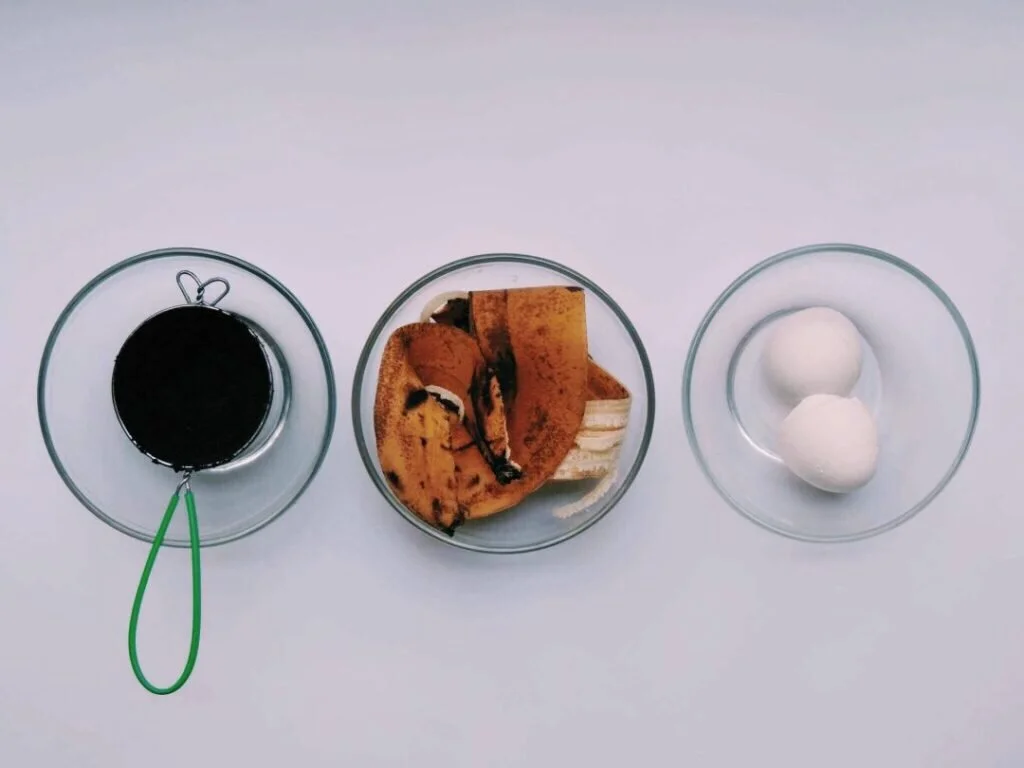
We invite you to easily make your own organic fertilizer at home using some organic waste. You'll simply need a few things: some water, a blender, coffee grounds, banana peels, and eggshells. As an extra, you can add tea bag residue.
These scraps can be mixed together to create a homemade fertilizer to your liking, rich in nutrients, and totally free!
What properties do they offer?
Banana Peels It improves the soil, and if cut into small pieces, you can add them directly to the ground. Remember that the smaller the pieces, the faster they will decompose. If your garden is in an open area, sweet banana peels might even attract a few earthworms to your happy garden. Your soil will be enriched with potassium, an essential element for all plants to grow and develop their fruit.
Used coffee grounds can improve drainage and water retention in the soil. As they decompose, nitrogen is released, which is also beneficial for developing plants. Unless used in very concentrated amounts, coffee grounds shouldn't affect the soil's pH level. However, acid-loving plants thrive on coffee grounds. These leftovers are also great around plants—many earthworms love caffeine!
Crushed eggshells are an excellent source of calcium for any plant and improve soil drainage. Once the egg is cracked, it should be washed and dried in the sun. After drying, it's very easy to crush and acts as a free fertilizer. The shells also act as a deterrent to snails and slugs—apparently, they're too tough for their feet!

What is the process for making homemade fertilizer?
By blending these organic wastes with a little water, you will not only be producing a nutrient-rich organic fertilizer for your plants, but, if you don't make your own compost, you will be recycling your waste in a smart way.


