

Aloe Vera: benefits
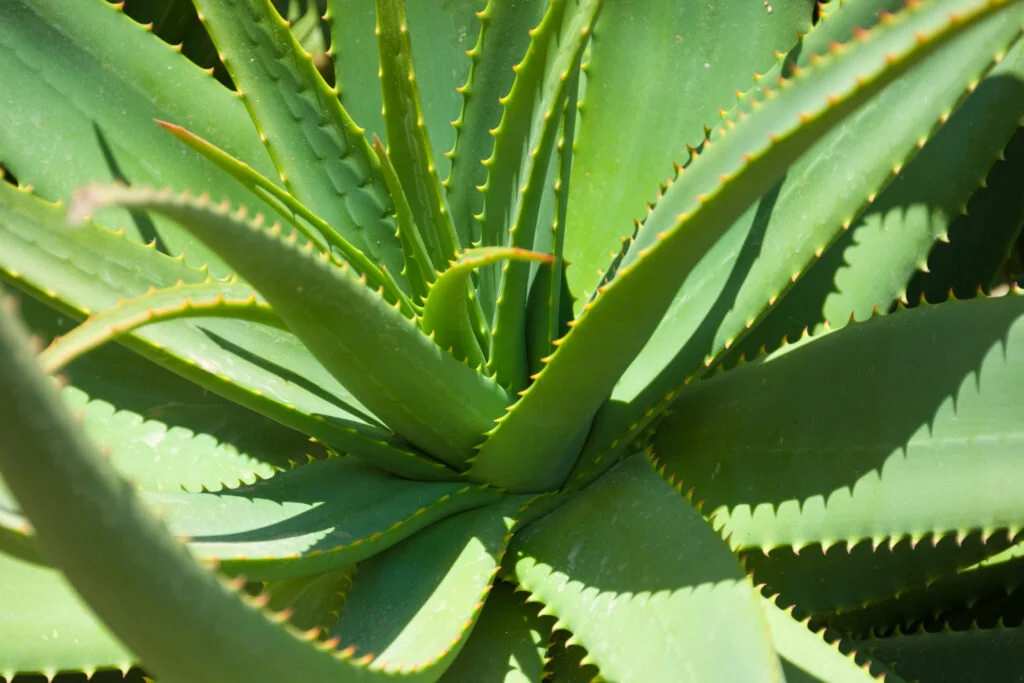
Nicolás Gemio RuizAloe vera is one of the 250 species of aloe in the world. It is a perennial, succulent, semi-tropical plant with strong fibrous roots and numerous thick, fleshy, serrated leaves that are green or grayish-green in color. It's a plant we've grown up with; we've seen it everywhere, whether on the streets or in our homes. It's a plant that our grandmother, our mother, our neighbor, and so on, often have. And it's not only very easy to find, but it's also very well-known for its many beneficial properties and uses.
A bit of history
It is known that since the time of the Egyptians (1500 BC) it was already used for beauty and medicinal purposes, as 12 remedies based on it are described in the Ebers papyrus, which is one of the oldest medical treatises.
It plays an important role in medicine for Chinese culture, as well as for the Greeks and Romans who also wrote recommendations on the use of its gel.
It is a very resistant and easy-to-maintain crop, it loves the sun and is not very demanding in terms of nutrients or substrate since it is able to adapt to almost all warm and/or dry environments; it does not tolerate frost or waterlogging, so we must avoid watering it too frequently, it is best to give it a generous watering and not water again until the substrate dries out.
Medicinal Properties
The medicinal components are concentrated in the two main parts of the plant, the aloin and the gel.
The aloin is the bitter, yellowish liquid that coats the gel; it has laxative, stimulant, and digestive properties. Because it is irritating, it should not be used directly on the skin.
The clear gel is excellent for treating skin conditions and wounds, thanks to its antioxidant and antiseptic properties; it is a widely used ingredient in commercial cosmetic products.
We also find minerals such as calcium, iron, magnesium, zinc, etc., vitamins A, E, C, and B; terpenes, amino acids, tannins, and acids. All of these are responsible for its many properties:
• Analgesic
• Antibiotic
· Anti-inflammatory
· Antiseptic
· Healing
· Coagulant
• Debugger
· Hypocholesterolemic
• Cell regenerator
· Tonic

How to make homemade aloe vera gel?
It's very easy to make your own aloe vera gel at home, we'll explain it in 5 simple steps:
1. Cut an aloe leaf from the base without damaging the plant.
2. Make a diagonal cut (45°) at the widest end of the plant.
3. Soak overnight in a glass of water (the leaf should always remain vertical with the cut side soaked in water to clean the aloes).
4. Peel and scrape the gel with a spoon to liquefy it.
5. Empty into a covered container and keep in the refrigerator.
This gel makes an excellent mask before bed or before applying makeup, and is also great for treating blemishes, hair, wounds, and burns. It will last up to two weeks in the refrigerator. The fresher it is when applied, the more beneficial properties you'll get, so it's best to prepare it in small batches.
To keep our plant healthy and free of exposed wounds, it is very important to remove the entire leaf and not just cut off part of the tip; this way we will maintain the aesthetics of our garden and the health of our crops.
And you? What remedy have you used aloe vera from your garden for?


